
A sewer scope can reveal hidden problems inside the sewer line before you buy an older Denver home, including tree roots, cracks, pipe offsets, buildup, and older pipe materials that may need closer review. It gives buyers a clearer look at the underground line before closing, which a standard home inspection may not fully cover.
Older homes in Denver can have a lot of charm. Brick homes, mature trees, established blocks, and walkable neighborhoods are a big part of the appeal.
But some of the biggest issues may sit underground, out of sight.
A sewer scope is a camera inspection that shows the inside condition of a home’s sewer line before purchase. In older Denver neighborhoods, it can help buyers spot roots, cracks, offsets, buildup, or aging pipe sections before those issues become their responsibility.
What Is a Sewer Scope?
A sewer scope is an inspection where a small camera is sent through the sewer line to see what is happening inside the pipe. It helps show hidden damage, blockages, roots, buildup, and other sewer line concerns before you buy a home.
Think of it as the underground part of due diligence. A toilet may flush. A sink may drain. The basement may look clean during the showing. That still does not tell you what the sewer lateral looks like between the house and the city main. That is where the camera helps.

Why a Standard Home Inspection May Not Catch Sewer Line Problems
A general home inspection covers a lot, but it may not include a full sewer camera inspection. The inspector can check visible plumbing fixtures, run water, and look for signs of leaks. The buried sewer line is a different story.
A home can look updated on the surface, while the line underground has:
- Roots growing through old joints
- Cracked or broken pipe sections
- Offset pipe connections
- Heavy sludge or scale buildup
- Older materials that need closer review
- Past repairs that stop short of the real problem area
Here is the part buyers sometimes miss. Denver’s own utility locate information explains that the city locates main sewer lines, while the private service line, also called the sewer lateral, is the property owner’s responsibility up to and including the tap into the main sewer line.
So if that private line has a hidden issue, it may become the buyer’s responsibility after closing.
What a Sewer Scope Can Reveal Before You Buy
A sewer scope can show what is happening inside the line before the home becomes yours. It can also help separate a minor maintenance issue from a repair that needs a closer look.
Here are some of the main problems a sewer scope may uncover.
Tree Root Intrusion
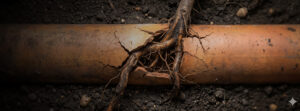
Roots chase moisture. If an older sewer line has a crack, loose joint, or small opening, roots can work their way inside.
At first, the line may still drain. Then the roots start catching paper, grease, and debris. That is when slow drains and backups can start showing up.
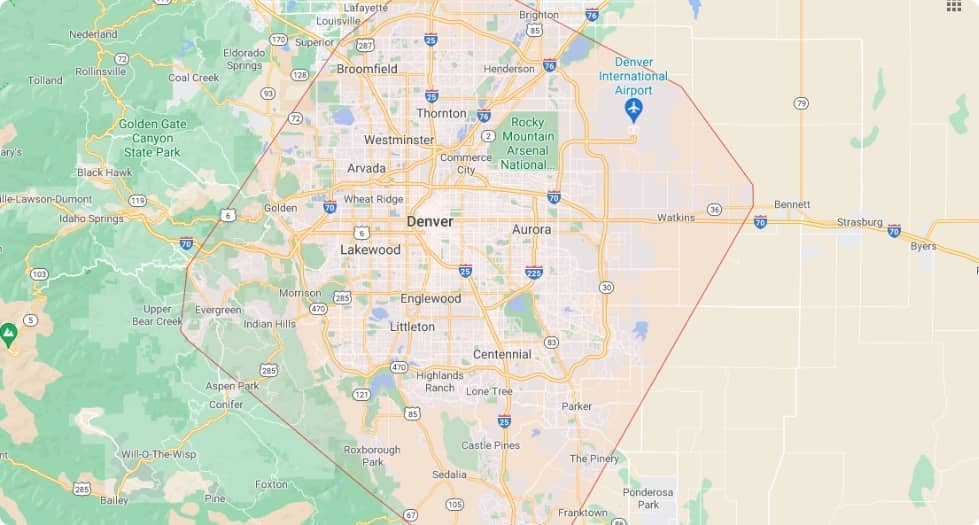
This is why sewer scopes make sense in older Denver areas with mature trees, like Washington Park, Park Hill, Congress Park, Baker, and Capitol Hill. The trees are part of the charm. They can also be part of the sewer story.
Cracks or Breaks in the Line
A pipe can be damaged before there is a dramatic backup. A sewer scope may show cracks, broken sections, or weak spots that deserve attention before closing.
That does not always mean the home is a bad buy. It means the buyer has information before signing off on one of the biggest purchases they will make. That is a fair trade.
Offsets or Misaligned Pipe Sections
An offset happens when pipe sections no longer line up cleanly. Age, soil movement, old connections, and past repairs can all play a part.
When a pipe shifts, waste may not move through the line smoothly. Debris can catch at the uneven spot, which can lead to repeated clogs. A scope can show where the offset is and how serious it looks.
Heavy Buildup or Sludge
Some sewer lines narrow over time. Grease, sludge, sediment, scale, and debris can collect inside the pipe. That smaller opening can make the line more likely to clog, especially if roots or offsets are already in the mix.
Sometimes cleaning helps. Sometimes buildup points to a bigger issue. The camera gives buyers a clearer starting point.
Older Pipe Materials
Older Denver homes may have older sewer materials, newer repairs, or a mix of both.
The age of the home does not tell the full story. One house may have a replaced line. Another house on the same block may still have older sections underground. A third may have a partial repair that fixed one section but left the rest alone.
A sewer scope helps buyers judge the line in front of them, not just the year the house was built.
Why Sewer Scopes Matter in Older Denver Neighborhoods
Denver’s sewer history goes way back. City records show historic sewer work from the early 1900s, including clay line installation in 1923. That does not mean every older home has original pipe. Still, it gives useful context.
Many established Denver neighborhoods have older homes, mature trees, alleys, sidewalks, and service lines with long histories. A home may have a renovated kitchen, newer flooring, and fresh paint while the sewer lateral has been patched, cleaned, repaired, or ignored for years.
That is why neighborhoods like Washington Park, Park Hill, Baker, Congress Park, and Capitol Hill deserve a closer look during the buying process. The goal is not to assume there is a problem. The goal is to stop guessing.
Signs a Sewer Line May Already Need Attention
Some sewer issues wave a little red flag. Others stay quiet until the backup happens.
Look for signs like:
- Recurring drain clogs
- Slow drains in more than one area of the home
- Gurgling sounds from toilets or drains
- Sewer smells inside or near the property
- Past sewer cleaning or repair history
- Basement floor drain backups
- Wet spots or soft areas in the yard
No warning signs? That is good. But it still does not prove the line is clear, straight, and in solid shape. That is the reason buyers order a sewer scope.
How a Sewer Scope Can Help During the Buying Process
A sewer scope gives buyers something better than a hunch. It gives them video evidence, a clearer condition report, and a chance to ask better questions before closing.
It can help buyers:
The best part? A scope does not automatically kill the deal.
Sometimes it shows the line looks fine. Sometimes it shows a small cleaning issue. Other times, it gives the buyer a reason to slow down and get a repair estimate before moving forward.
What Happens if the Sewer Scope Finds a Problem?
First, do not panic. A sewer scope finding is not always a disaster. Roots may call for cleaning. Buildup may need maintenance. A cracked or offset section may need a repair estimate. Bigger damage may lead to a replacement conversation.
The buyer can ask for the video, a written summary, photos, repair options, or pricing. From there, they can talk with their agent about credits, repairs, or next steps.
Finding the issue before closing is the win. Nobody wants their first surprise as a homeowner to come bubbling up through a basement drain.
Sewer Scope vs. Sewer Cleaning: What’s the Difference?
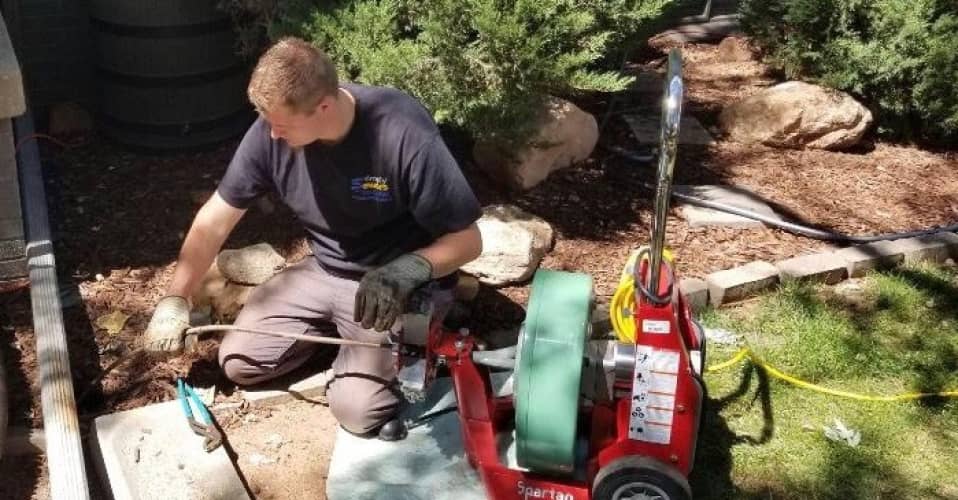
A sewer scope is an inspection. Sewer cleaning is a service used to clear the line. The scope shows what is inside the pipe, while cleaning removes roots, sludge, debris, or blockages when that is the right fix.
| Service | Standard Drain Clog | Main Sewer Line Problem |
|---|---|---|
| Sewer scope | Inspects the inside of the line with a camera | What condition the line is in before closing |
| Sewer cleaning | Clears roots, sludge, or blockages | Whether the line improves after cleaning |
| Sewer repair | Fixes damaged pipe sections | What part of the line needs physical repair |
The order matters. See the line first. Then decide what the line needs.
When It Makes Sense to Call a Local Sewer Specialist
Call a local sewer specialist before buying an older Denver home if the property has mature trees, a history of sewer cleaning, past drain issues, or older plumbing records that leave you with questions.
Sewer camera inspection in Denver is also useful when the home looks updated but the sewer line has not been discussed. Simply Sewers can inspect the line, show what the camera finds, and explain what may need cleaning, repair, replacement, or no immediate action
Conclusion
Buying an older Denver home comes with a lot to review, and the sewer line should be part of that process. A sewer scope gives buyers a clearer look at the condition of the private line before closing, instead of waiting for a backup or repair issue after move-in.
With a camera inspection, buyers can see whether the line has roots, cracks, offsets, buildup, or older pipe sections that need attention. From there, they can ask better questions, review repair options, and make a more informed decision before the home becomes their responsibility.
At Simply Sewers, we help Denver homebuyers inspect sewer lines before closing and understand what the camera shows, without scare tactics or guesswork.