
A slow drain is not unusual. Most homeowners deal with that at some point. Still, when several fixtures start acting up together, or the same problem keeps coming back, it can point to something deeper than a routine clog.
That distinction matters in Denver homes, especially older ones. A simple blockage usually stays in one spot. A main sewer line problem tends to show up across the house. Here are five signs the issue may be bigger than it looks.
If several drains are slow, water backs up in a basement drain, toilets gurgle, sewer smells keep returning, or the issue comes back after cleaning, the main sewer line may be the real problem. One clogged fixture is usually local. A house-wide pattern is different.
What the Main Sewer Line Does
The main sewer line carries wastewater from your home to the city sewer connection. Every sink, shower, toilet, and appliance drain eventually feeds into that line.
When it gets blocked, cracked, shifted, or worn down, the issue usually does not stay in one place. That is why main sewer line trouble often affects multiple drainage areas instead of only one.

5 Signs Your Main Sewer Line May Be Failing
A failing sewer line usually shows itself through patterns. One odd drain may not mean much. Several odd things happening together usually mean it is time to pay closer attention.
Multiple Drains Are Slow at the Same Time
One slow sink often means a local clog. Hair, soap, or grease can easily cause that.
It is more concerning when the shower, sink, tub, and toilet all start draining slowly around the same time. That pattern matters. One fixture can be random. Several fixtures acting up together usually are not.
We see this get overlooked a lot. Each problem feels minor on its own, but together they can point to restricted flow in the main line.
Water Backs Up in the Lowest Drain in the Home
When a sewer line starts struggling, the lowest drain usually shows it first. In many Denver homes, that means a basement floor drain, basement shower, or lower-level tub.
A common example is this: someone flushes upstairs, then water shows up in the basement drain. That usually means wastewater is not moving out properly and is backing up to the lowest point.
That is a serious clue. A simple clog in one fixture usually does not send water into another drain. A main line problem can.
Toilets Gurgle, Bubble, or Flush Strangely
A single odd flush does not always mean much. Plumbing can be quirky sometimes.
But when the toilet gurgles after the sink runs, or bubbles after the tub drains, that is different. It can mean air is getting trapped because flow through the sewer line is restricted.
In real homes, the timing is what gives it away. One fixture gets used, another reacts. That usually points to a system issue, not only a toilet problem.
Sewer Odors Keep Coming Back
A little drain smell every now and then is not always a big deal. Sometimes a drain trap dries out. Sometimes there is grime sitting in one fixture. That kind of thing happens.
The smell of sewage that reappears after you thought it had disappeared is more difficult to ignore. It can return a day or two after you clean the space, turn on the water, or even give the room a fresh scent. We frequently hear that.
The scent may indicate more than just a dirty drain if it seems to hang around near a lower bathroom, laundry room, or basement drain. At that point, it begins to make sense to investigate the sewer line more thoroughly rather than considering it as a one-time odor problem.
The Problem Keeps Coming Back After Drain Cleaning
Sometimes a drain cleaning works and that is the end of it. Other times, it buys a little time, then the same symptoms start creeping back in.
That is usually when homeowners start feeling stuck. Things improved, so it seemed fixed, but not for long. If that cycle keeps repeating, the issue may be farther down the line. Roots, pipe damage, or heavy buildup can all cause that stop-and-start pattern.
We have seen this plenty of times. The line runs better for a bit, then a few weeks later the slow draining, backups, or gurgling return. In situations like that, the cleaning was helpful, but it was not the full answer.
Why This Can Be More Common in Older Denver Neighborhoods
Some homes are simply more prone to sewer line issues over time. In neighborhoods like Baker, Park Hill, Capitol Hill,, Washington Park, and Congress Park, older pipes and mature trees can make these problems more likely.
That does not mean every older home has a failing line. It does mean recurring drain issues in these areas are worth taking seriously.
A few common reasons:
- Older pipe materials. Clay and aging pipes can crack, shift, or wear down with time.
- Mature tree roots. Older trees often send roots toward moisture, and weak sewer lines can become an easy target.
- Years of soil movement. Ground shifts slowly, but underground pipes feel it.
- Long-term wear. Even a line that has worked for decades can start showing age.
If a Denver home has repeated drain problems and an older sewer system, a closer inspection usually makes sense.
Main Sewer Line Problem vs. Standard Drain Clog
If only one fixture is affected, it is often a local drain clog. The main sewer line might be the problem if multiple fixtures are slow, backing up, or responding to one another. Whether the issue is limited to a single drain or affects the entire system typically makes the difference.
Here is a simple way to compare the two:
| Issue | Standard Drain Clog | Main Sewer Line Problem |
|---|---|---|
| Number of fixtures affected | Usually one | Often several |
| Common examples | One sink, one tub, one toilet | Sinks, tubs, toilets, basement drains |
| Where symptoms show up | At the clogged fixture | Across different parts of the home |
| Backups in lower drains | Less common | Very common warning sign |
| Gurgling between fixtures | Less likely | More likely |
| Sewer odors | Sometimes local | Can keep returning through the home |
| After cleaning | Often resolved | May improve, then come back |
| Next step | Local drain clearing | Sewer inspection and diagnosis |
What Plumbers Look For During a Sewer Inspection
Before talking about repairs, we want to see what is actually happening in the line. Diagnosis comes first.
Plumbers usually look for:
- Tree roots: Roots can break into older lines and catch waste or buildup.
- Cracks or breaks: Damage inside the pipe can slow flow and collect debris.
- Shifted joints: Pipes can move out of alignment over time.
- Heavy buildup: Grease, scale, and waste can narrow the pipe.
- Bellies or low spots: Sagging sections can hold water and waste instead of moving it through.
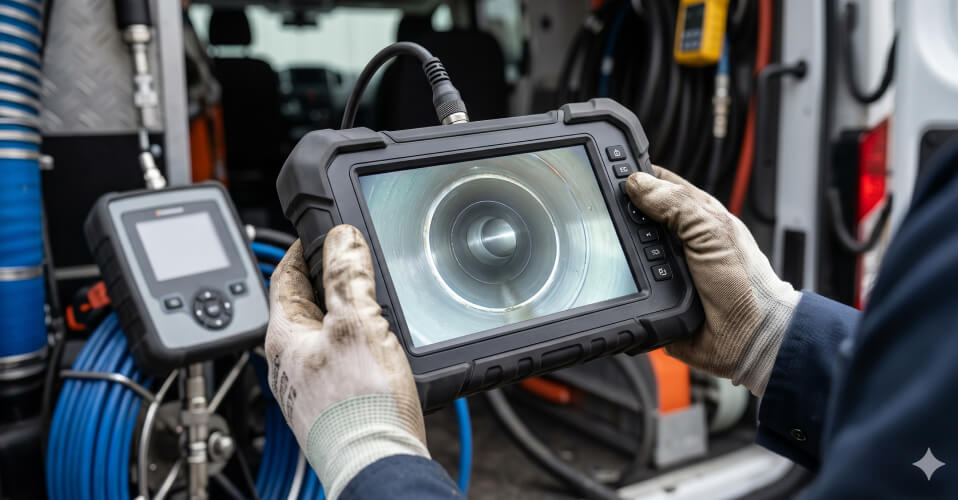
- Whether cleaning is enough: Sometimes it is. Sometimes the camera shows a structural issue that cleaning will not solve.
A sewer camera inspection usually gives the clearest answer.
When It Makes Sense to Call a Local Sewer Specialist
If more than one drain is acting up, water is coming up in a lower-level drain, toilets are gurgling, or the same problem keeps returning, it usually makes sense to call. Waiting is where small sewer problems tend to turn into messy ones.
This is especially true in older Denver homes, where pipe age and roots can play a bigger role than people expect. We usually tell homeowners the same thing, if the pattern feels bigger than one fixture, it probably is. A proper inspection can save a lot of guesswork.

Conclusion
Not every stubborn drain means your sewer line is failing. Sometimes it really is a simple clog, and that is the good news. Still, when you start seeing the same pattern over and over, several slow drains, basement backups, toilet gurgling, or sewer smells that keep hanging around, it is smart to look at the main line before the problem gets worse.
At Simply Sewers, we help Denver homeowners figure out what is really going on, without making it more dramatic than it needs to be. If your drains have been acting up in ways that do not feel normal, we can inspect the line, walk you through what we find, and help you understand the next step