
When a basement floor drain backs up, the water is not moving the way it should. Sometimes it is a small clog near the drain. Other times, the drain is just where the problem shows up first.
That second one matters in Denver homes. A basement floor drain may tie into the same sewer path as laundry tubs, toilets, sinks, showers, and other plumbing fixtures.
Denver’s flood handbook explains that the sanitary sewer line carries toilet waste, laundry tubs, and basement floor drains toward the sewer main or septic system.
So if water is coming back through the basement floor, the blockage may not be sitting right under the grate. It may be farther down the line.
A basement floor drain backing up is usually a symptom of a larger plumbing issue rather than the drain itself. Common causes include a clog near the drain, a blocked main sewer line, tree roots invading older sewer pipes, buildup restricting older drain lines, or groundwater and poor drainage around the home’s foundation. Paying attention to when the backup occurs (such as after doing laundry, showering, or flushing a toilet) provides valuable clues to the underlying cause and helps determine the appropriate solution.

5 Reasons Why Your Basement Floor Drain Keeps Backing Up
A basement floor drain does not back up for one reason every time. Sometimes the problem is right under the grate. Other times, the drain is just the messenger.
The timing tells you a lot. Water after laundry? After a shower? After someone flushes upstairs? That is where the real clue starts.
1. A clog near the floor drain
This is the easy one to picture. Dirt gets washed in. Lint sneaks past the laundry. Soap film sticks to the pipe. Add grit, sediment, and old sludge, and the line starts to slow down.
Nothing dramatic at first. Maybe the drain looks damp. Maybe water sits for a minute longer than normal. Then one day it backs up.
If the rest of the house drains fine, the clog may be close to the floor drain.
2. A blocked main sewer line
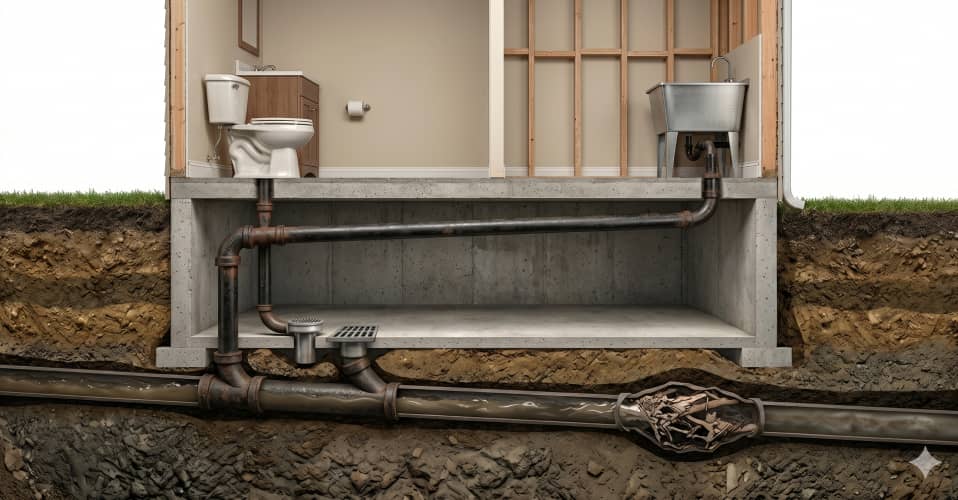
When the main sewer line is blocked, wastewater cannot leave the home cleanly. It backs up through the lowest opening it can find. In many houses, that is the basement floor drain.
This is why timing matters. If the floor drain reacts after a toilet flush, shower, or load of laundry, the basement drain may not be the real problem. It may just be where the backup spills out.
3. Tree roots in older sewer lines
Roots chase moisture, and older sewer lines can give them a small opening through cracks, loose joints, or weak spots. Once roots get inside, they catch debris and slow the pipe down.
This is worth thinking about in tree-lined areas like Park Hill, Washington Park West, Platt Park, Speer, and parts of Capitol Hill. Mature trees add a lot of character, but older sewer lines near them deserve closer attention when backups keep returning.
4. Buildup inside older pipes
Some pipes might not immediately clog completely. Over time, they get narrower. The inside of the pipe may be coated with grease, sludge, soap residue, scale, and years of use. It may still drain well with light water use. The line struggles when the washer empties quickly or when multiple fixtures operate simultaneously.
If a drain has already been cleaned and the backup comes back, a camera inspection can help show what is really going on.
5. Groundwater, snowmelt, or drainage around the home
Denver weather can make basement water issues more confusing. Spring snowmelt, heavy rain, saturated soil, poor grading, or water near the foundation can all make a basement drain problem more noticeable.
Sewage going up via the drain is not the same as clean water near a wall. Timing, color, smell, and what was running in the house can all help guide you.
What a Basement Floor Drain Is Supposed to Do
Before water spreads over the floor, a basement floor drain removes it from low spots. A laundry room, utility sink, water heater, furnace area, or an unfinished basement section could all include one.
When it functions, the floor remains dry and the water disappears. No scent of sewage. No puddle of mystery. The drain is providing you a hint when water starts to flow again.
Some homes have floor drains that share a drainage path with sinks, showers, toilets, and laundry. Therefore, the floor drain itself is not usually the cause of a backlog in the basement. When a deeper barrier appears, it can be the lowest open point.
That is why the pattern matters. If the drain backs up after laundry, toilet use, or a shower, the issue may be farther down the sewer line.
Signs It May Be More Than One Clogged Drain
A single slow floor drain may be local. Several fixtures acting strange together points deeper into the system.
Watch for these signs:
- More than one drain is slow. If tubs, sinks, and the basement drain all lag, the shared line may be restricted.
- Toilets gurgle or bubble. Gurgling can happen when air gets trapped behind poor drainage flow.
- The drain backs up during laundry. A washing machine sends water out fast, which can expose a partial blockage.
- Water appears after a shower or toilet flush. That is a strong clue the blockage sits past the floor drain.
- Sewer odor comes from the drain. A bad smell with standing water deserves quick attention.
- The backup returns after cleaning. One clog is annoying. A repeat backup is a pattern.
Why Basement Drain Backups Can Be Common in Older Denver Homes
Older homes can have newer bathrooms, new flooring, and clean-looking laundry rooms, while the sewer line outside is still old. That gap surprises people. The inside looks updated, but the buried line may tell a different story.
Parts of Capitol Hill, Baker, Park Hill, Washington Park, Platt Park, Speer, and older Littleton neighborhoods have the kind of mature trees and older housing where sewer problems can overlap. Not every home has an issue. Still, when a basement drain backs up again and again, age, roots, and pipe condition all matter.
There is also a responsibility piece. If the trouble is inside the private service line, it may not be something the city fixes. Denver’s guidance separates public sewer mains from private service line problems, which means a homeowner may need a licensed plumbing company to inspect and repair the private line.
For Littleton-area homes, repairs near the street can bring right-of-way details into the picture. Littleton notes that work or equipment occupying the public right of way can require a ROW permit, and blocked sewer service line repairs may qualify as emergency work.
What You Can Check Before Calling a Plumber
Before you call, take a minute to read the room. You are not fixing the line here, just gathering clues.
A few things are worth checking:
- Is it only the basement floor drain, or are tubs, sinks, and toilets slow too?
- What was running right before the water came up, laundry, a shower, or a toilet?
- Does the water look clean, dirty, or dark enough to suggest sewage?
- Any sewer smell means it is time to stop using fixtures, not keep testing.
- Move boxes, rugs, and stored items out of the way before the wet area spreads.
- If sewage may be involved, shut off the extra water use and leave the line alone
What Not to Do When the Basement Floor Drain Backs Up
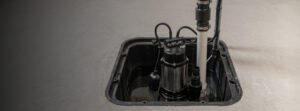
You can do a basic check without turning it into a full-blown DIY project. Start with the obvious stuff. Is the unit plugged in? Is the outlet working? Does the float move freely, or is it catching on the side of the pit?
That quick check alone can reveal more than people expect.
You can also look for:
- Debris sitting in the pit
- Rust or heavy buildup
- Anything blocking the lid area
- Discharge problems outside, if the area is safe to reach
- Water collecting near the foundation
That said, there is a point where it stops being useful to keep poking around. If the pump is acting up, the basement feels damp, or the issue seems tied to drainage outside the home, calling a plumber is the smarter move.
When a Basement Floor Drain Backup Is an Emergency
Some backups can wait for a scheduled visit. Sewage in the basement cannot. Call for help quickly if sewage is coming up through the floor drain, multiple fixtures are backing up, the basement smells like sewer gas, or water is moving into finished areas. The same goes for a backup that returns after previous cleaning.
When toilets, showers, or laundry continue to discharge water into a blocked line, a tiny puddle might turn into a larger cleanup. Further damage can be avoided by stopping water use and having the line inspected.
How a Plumber Finds the Real Cause
A good diagnosis starts with the pattern. Which drains are slow? What was running when the water came up? Has this happened before? Those answers matter.
Drain cleaning may clear a local clog. If the backup returns, a sewer camera inspection can show the inside of the pipe. That is where roots, sludge, sagging sections, cracks, breaks, and collapsed areas become easier to spot.
The repair depends on the cause. Hydro jetting may help with heavy buildup. Roots may need cutting and a follow-up plan. A damaged pipe may need repair or replacement. Guessing costs time. Seeing the line gives a cleaner answer.
When It Makes Sense to Call Simply Sewers
If the basement floor drain keeps backing up, do not keep guessing at it. A quick drain cleaning may solve a small clog, but repeat backups need a closer look.
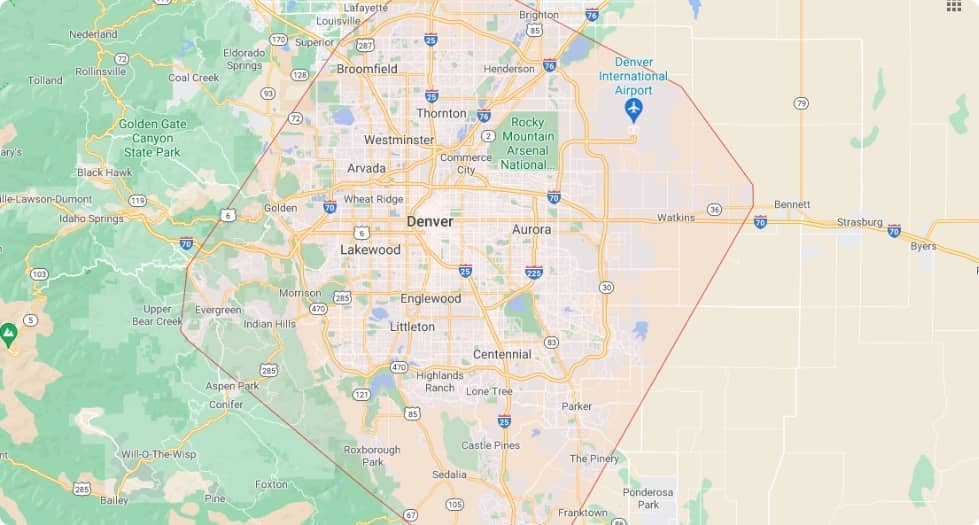
At Simply Sewers, we handle drain cleaning, sewer camera inspections, sewer repair, and 24/7 emergency drain and sewer service across Littleton and the Denver Metro area. We also provide non-commission estimates, so the conversation stays focused on what is causing the backup and what the next step should be
Conclusion
A backed-up basement floor drain can be something simple: lint, soap film, dirt, or debris near the drain. The concern grows when it comes back, smells like sewage, or shows up right after laundry, showers, or toilet use.
That pattern is the part to watch. If the drain keeps acting up, Simply Sewers can clean the line, inspect it with a camera, and help you deal with the problem before it turns into another basement cleanup.