
A basement can stay quiet all winter, then spring shows up and the story changes fast. The snow starts giving way, the ground softens, a little rain comes through, and suddenly that sump pump you barely think about starts making noise or running longer than it should. That is how a lot of these problems begin. Not with a flood, just with a few small clues.
At Simply Sewers, we see it every spring. Someone notices a musty smell. Someone else hears a weird hum and thinks it is nothing. In another home, the basement feels damp for a few days after the weather warms up. That is the tricky part. Early warning signs do not look dramatic, but they are still warning signs.
If your sump pump is making strange noises, cycling too much, not turning on, or your basement feels damp, it is smart to deal with it before spring snowmelt ramps up. In Denver, thawing ground, runoff, and aging drainage can push a basement problem into view pretty quickly.

Why Spring Snowmelt Can Put Extra Pressure on Denver Homes
Spring has a way of stacking things up. Melting snow is one part of it. Add warmer days, softer ground, and a few rainstorms, and now you have a lot more moisture moving around the foundation than you did a month earlier.
In Denver, runoff can build faster than homeowners expect. Water does not soak neatly into the ground when it is hitting roofs, driveways, sidewalks, and patios first. It moves. Once it starts moving toward the house, the weak spots begin to show.
A few common trouble spots:
- Water collecting near the foundation
- A clogged or poorly placed discharge line
- Low areas in the yard
- Drainage that has been struggling for a while
Some homes feel that pressure more than others. In Baker or West Washington Park, for example, older basements and years of pieced-together drainage changes can make spring moisture a little less predictable. One thaw cycle can tell you a lot.
Warning Signs Your Sump Pump May Not Be Ready for Spring
Most people do not get a giant warning. It is more like a trail of breadcrumbs. A sound. A smell. A timing issue. A damp patch that keeps returning.
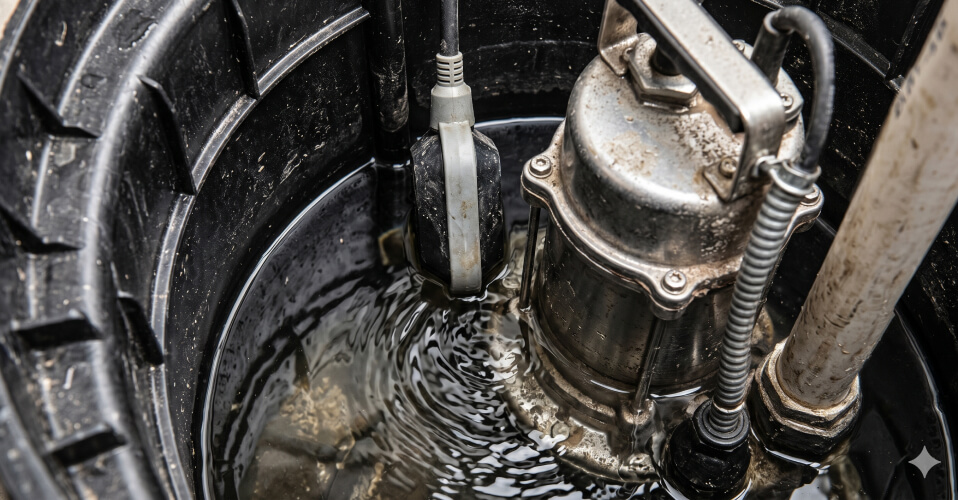
The pump is making unusual noises
A sump pump should not sound rough or strained. Grinding can mean internal parts are wearing out. Rattling may point to something loose or debris interfering with the pump. Then there is that low humming sound with barely any pumping behind it. That one gets ignored all the time, and it should not.
It is cycling too often or not turning on
A pump that keeps flipping on and off is trying to tell you something. The float switch could be sticking. Water may be flowing back into the pit. The system may also be struggling to keep pace. Then there is the opposite issue, water rises, and the pump does nothing. At that point, you do not really need another clue.
There is visible rust or debris
A little grime in the pit is one thing. Thick sludge, rust stains, or bits of debris sitting around the pump are another story. That kind of buildup can jam the float, slow water movement, or clog parts of the system at the worst time.
It is older and has not been checked in a while
Some sump pumps get ignored for years because they sit quietly and do their job in the background. Then spring rolls around, the system gets pushed harder, and that long stretch without a check starts catching up. Age by itself is not the whole issue, but an older pump that nobody has looked at in a long time deserves a closer look.
There is dampness or a musty smell in the basement
Sometimes the first sign is not water you can see. It is the smell. Or the air feels damp. Or one part of the basement starts feeling a little cold and clammy for no clear reason. That kind of low-level moisture is still worth paying attention to.
In places like Park Hill, one house may handle spring moisture without much fuss while the next block over sees a totally different pattern. The housing mix there can be all over the place, and the symptoms can be too.
Signs the Problem May Be Bigger Than the Sump Pump
Now and then, the pump is only part of the story. It may be doing its job, or trying to, but something bigger around the home is setting it up to fail.
That is when we stop looking at the pump by itself and start looking at the whole drainage picture.
A few signs that point in that direction:
- Water pooling near the house after snowmelt or rain
- Basement floor drain backups
- Slow drainage around the property
- Dampness that keeps coming back after storms
- Odors from basement drains
- Moisture hanging around even when the pump is running
When that starts happening, the issue may involve outside drainage, the discharge setup, basement drains, or a sewer problem nearby.
Common Reasons Sump Pumps Fail
A sump pump is not a complicated piece of equipment, but it does not take much to throw it off. One stuck part, one clogged line, one electrical issue, and the whole thing can stop pulling its weight.
Here are the usual suspects:
- Power failure
- Stuck float switch
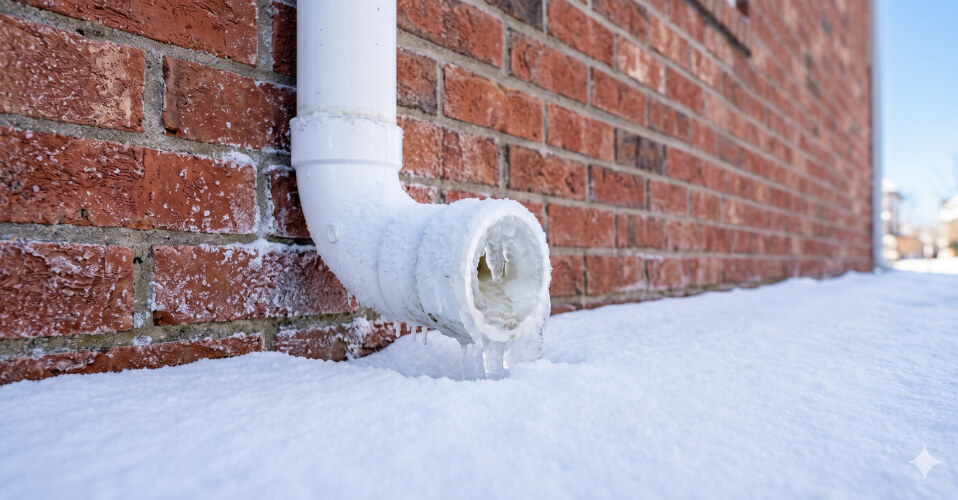
- Clogged discharge line
- Poor installation
- Debris in the pit
- Worn motor or older components
- No maintenance for a long stretch
- Age
Some Harvey Park homes run into a different version of spring moisture issues. The basement setup may not look like what you find in older central Denver neighborhoods, but grading and exterior drainage can still create enough pressure around the home to expose a weak or aging pump.
What Homeowners Can Check Before Calling a Plumber
You can do a basic check without turning it into a full-blown DIY project. Start with the obvious stuff. Is the unit plugged in? Is the outlet working? Does the float move freely, or is it catching on the side of the pit?
That quick check alone can reveal more than people expect.
You can also look for:
- Debris sitting in the pit
- Rust or heavy buildup
- Anything blocking the lid area
- Discharge problems outside, if the area is safe to reach
- Water collecting near the foundation
That said, there is a point where it stops being useful to keep poking around. If the pump is acting up, the basement feels damp, or the issue seems tied to drainage outside the home, calling a plumber is the smarter move.
When It Makes Sense to Call a Local Plumber
Some sump pump issues buy you a little time. Others can go sideways after one warm week and one decent storm. Spring does not give much notice.
We tell homeowners to get it checked if the pump has not been looked at in a long time, if the basement has had moisture problems before, or if the property already has signs of drainage trouble near the foundation. That can matter even more in older Denver neighborhoods where systems have been adjusted, patched, rerouted, and reworked over the years.
It is time to call if:
- The pump is not turning on
- The pump runs, but water is not clearing
- You have had minor water intrusion before
- Dampness keeps returning
- Drainage issues are showing up around the home
- The same problem keeps coming back every spring
If you would rather check it now than deal with a wet basement later, we can take a look. At Simply Sewers, we inspect the sump pump, check the nearby drainage, and help you see where the problem is coming from.

Conclusion
Water problems in a basement can creep up on you. One day it is just a smell. Then the pump sounds a little off. Then a stretch of warmer weather puts more pressure on everything, and suddenly the small issue does not feel so small anymore.
That is the reason these early signs matter. A damp basement, a noisy pump, or moisture that keeps coming back is worth checking before spring gets into full swing. Simply Sewers can help you figure out what is happening and deal with it before it grows into a bigger repair.